Learn What Amazon FBA Is and How to Increase Your Online Sales
If you’ve spent any time around Amazon, you’ve heard the term Amazon FBA thrown around constantly. It’s often described in the simplest possible way:
“Amazon stores your products and ships them for you.”
That description isn’t wrong — but it leaves out the part that actually matters for brands doing real volume.
For operators in the $500K–$20M range, Amazon FBA isn’t just a fulfillment option. It’s a structural decision that affects margins, cash flow, inventory risk, advertising performance, and how much control you keep over your business.
This post explains what Amazon FBA really is, what it does well, where it creates hidden risk, and how serious brands should think about it today.
What Amazon FBA Actually Means
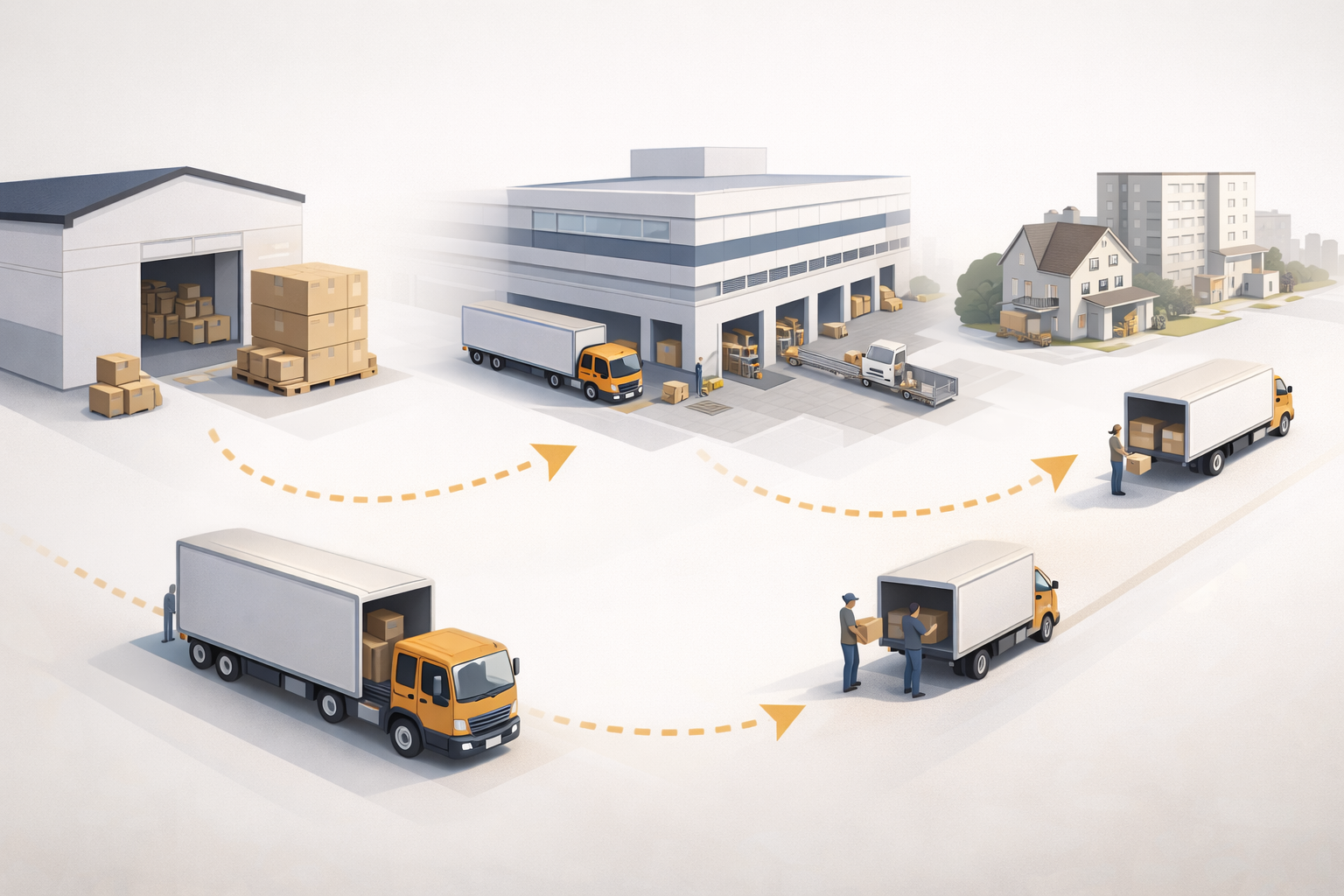
Amazon FBA (Fulfillment by Amazon) is a program where sellers send inventory into Amazon’s fulfillment network, and Amazon takes over:
- Storage in Amazon fulfillment centers
- Picking, packing, and shipping orders
- Customer service related to shipping and delivery
- Returns processing
In exchange, Amazon charges:
- Fulfillment fees (per unit, based on size and weight)
- Storage fees (monthly, with higher rates during peak seasons)
- Additional fees depending on category, returns, and inventory age
At a surface level, FBA removes operational complexity. At a deeper level, it embeds your brand directly into Amazon’s logistics machine — for better and for worse.
Why Amazon Created FBA (and Why It Still Pushes It)
Amazon didn’t create FBA to help sellers scale.
They created it to:
- Control delivery speed and reliability
- Standardize customer experience
- Expand Prime-eligible selection
- Reduce friction between “add to cart” and “order delivered”
From Amazon’s perspective, FBA improves conversion and retention. From a seller’s perspective, it often becomes the default requirement to compete.
In many categories today, not using FBA means:
- Lower Buy Box win rates
- Slower delivery promises
- Lower conversion, even with strong pricing
That’s why FBA is no longer optional for most velocity-driven products.
The Real Advantages of Amazon FBA
1. Prime Eligibility and Conversion Lift
Prime eligibility still carries enormous weight.
Customers trust Prime. They expect fast delivery and easy returns. FBA gives you instant access to that trust — without building your own logistics network.
For many brands, the conversion lift alone justifies the fees.
2. Operational Scale Without Operational Headcount
FBA removes the need to:
- Manage daily order fulfillment
- Staff customer service for delivery issues
- Negotiate shipping rates
- Handle individual return logistics
This allows lean teams to scale revenue without scaling operations linearly — one of the biggest advantages FBA offers growing brands.
3. Buy Box and Algorithmic Stability
Amazon’s systems are designed around reliability and consistency.
FBA listings tend to:
- Win the Buy Box more frequently
- Avoid shipping-related performance penalties
- Integrate more smoothly with advertising and promotions
This isn’t favoritism — it’s Amazon rewarding outcomes it can control.
Where Amazon FBA Hurts (and Often Quietly)
This is where many “what is Amazon FBA” explanations stop being honest.
1. Fees Can Compress Margins Fast
FBA fees vary by:
- Product size and weight
- Time of year
- Storage duration
- Return rates
Brands that don’t model true landed cost + FBA fees + advertising often scale revenue while profit quietly erodes.
FBA simplifies logistics — but it demands strong margin discipline.
2. Inventory Control Is Reduced
Once inventory enters Amazon’s network:
- You don’t control where it’s stored
- Transfers between warehouses can increase costs
- Long-term storage penalties can accumulate
Poor forecasting is punished quickly under FBA, especially as catalogs grow.
3. Returns Become Easier — for Customers
Amazon’s frictionless return experience boosts trust, but it can also:
- Increase return rates
- Mask listing or product quality issues
- Reduce visibility into return handling decisions
For some categories, this becomes a meaningful margin risk if not monitored closely.
Amazon FBA vs FBM: Not an Either/Or Decision
At scale, most strong Amazon brands use both.
Typical hybrid strategies look like:
- FBA for core, high-velocity SKUs
- FBM for:
- Oversized or heavy products
- Low-velocity SKUs
- Margin-sensitive items
- Backup fulfillment during peak periods
The mistake is treating FBA as a doctrine instead of a tool.
Who Amazon FBA Is Best For
Amazon FBA works best for brands that:
- Have validated product demand
- Can support healthy contribution margins
- Forecast inventory accurately
- Are willing to operate inside Amazon’s ruleset
It is not a shortcut to building a brand — it’s an accelerator once fundamentals are in place.
The Bigger Picture
Amazon FBA is one of the pillars that made Amazon the dominant marketplace it is today.
But as fees increase, automation expands, and operational standards tighten, FBA is becoming less forgiving. Brands that treat it casually get squeezed. Brands that treat it intentionally gain leverage.
Understanding what FBA is — and what it isn’t — is foundational for anyone serious about selling on Amazon.