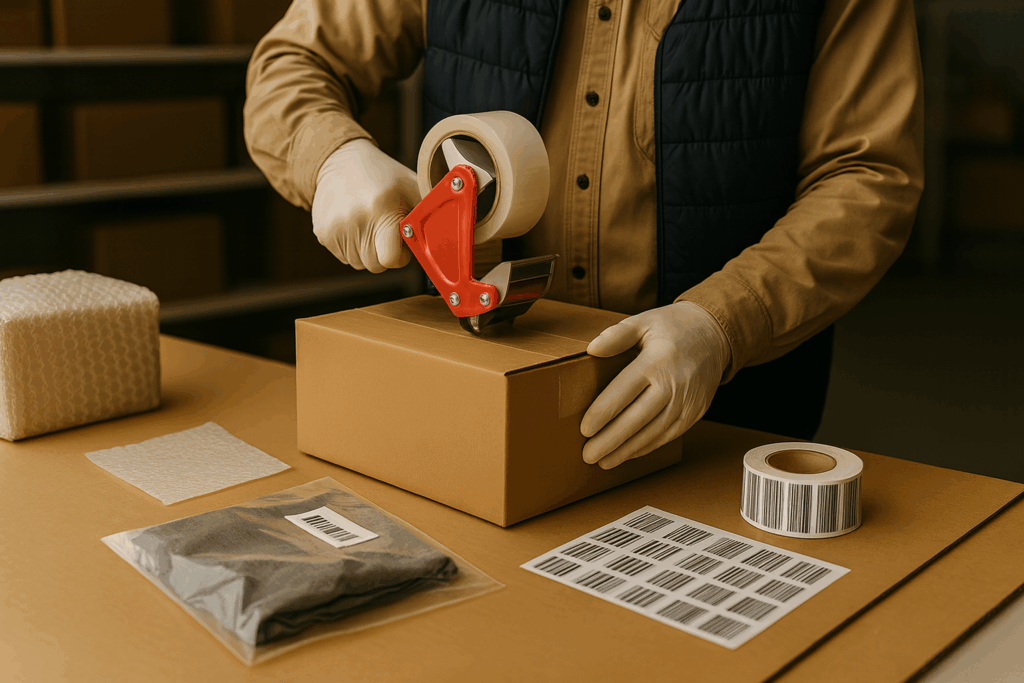
Amazon just dropped a major policy update: starting January 1, 2026, the Fulfillment by Amazon (FBA) Prep Service and item labeling will be discontinued for U.S. shipments. That means bubble wrapping, poly bagging, and barcode labeling will now be 100% your responsibility, or your prep center’s.
At Ecomergize, we track these changes so you can adapt before they disrupt your business. Here’s what this means for Amazon sellers, how to prepare, and what to avoid.
1. What’s Changing With FBA
Until now, sellers could pay a per-unit fee for Amazon to handle product prep and labeling. This provided sellers who may have had a reason not to put barcodes on their products due to UPC changes or logistics a hassle free, low-cost method of prepping their items. As of January 1, 2026:
- No more Amazon-provided bubble wrap, bagging, opaque bagging, or labeling.
- This applies to all inventory going into U.S. FBA, whether it’s:
- Direct shipments
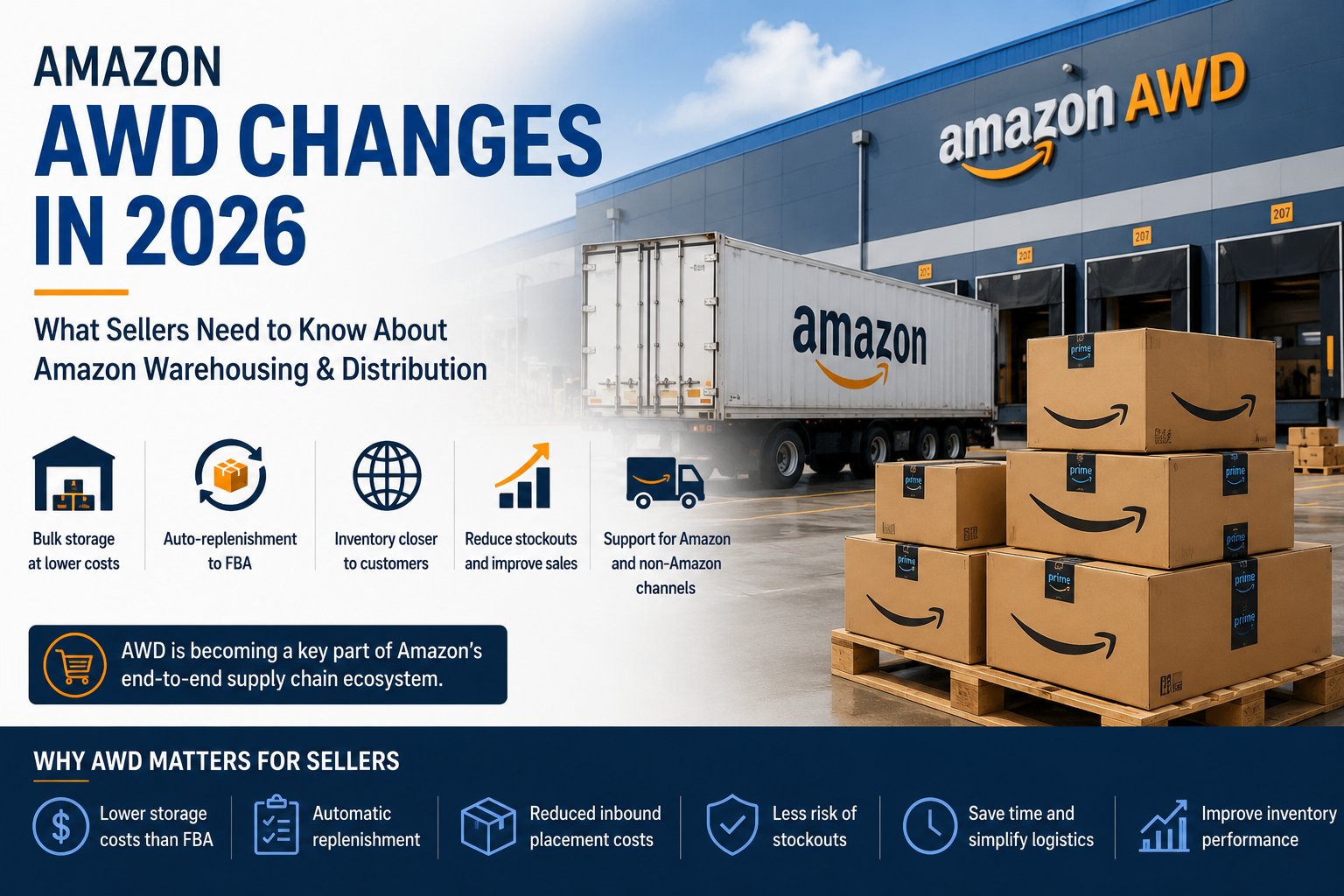
- Amazon Warehousing & Distribution (AWD)
- Amazon Global Logistics (AGL)
- Amazon SEND
- Supply Chain Portal shipments
Any units sent without proper prep and labeling after January 1, 2026 will be:
- Ineligible for reimbursement if damaged or untraceable
- At risk of receiving delays and customer complaints
2. Why Amazon is Doing This
Amazon says most sellers have “significantly improved” their packaging and labeling capabilities, reducing the need for its in-house prep service. The move is also aimed at streamlining fulfillment center operations for faster delivery speeds. At the end of the day, it may just be another cost cutting method Amazon is offloading while betting on automation to streamline operations and reinvest in technology. This prep has always been a very manual process, and Amazon has worked to keep the cost of it to a minimum for FBA Sellers. However, at Amazon’s scale a pinched penny can net millions in return.

3. Your Options Moving Forward
As an FBA Seller you have three clear paths:
- Do it yourself
- Follow Amazon’s packaging and labeling guidelines for your product category
- Invest in the right tools: barcode printer, poly bags, bubble wrap, and set assembly materials
- Use a third-party prep center
- Choose your own vendor or select from Amazon’s vetted FBA Prep Providers list
- Reduce prep needs with SIPP
- If eligible, join the Ships in Product Packaging (SIPP) program to ship products in ready-to-ship packaging
4. Risks of Ignoring This Change
- Delays in check-in: Non-compliant units will be held up for manual processing
- Damaged goods: No reimbursement if damage occurs due to lack of prep
- Listing deactivation: Repeat violations can trigger performance warnings
5. What Ecomergize Recommends Now
The time to act is now. Don’t wait until you have to restock inventory with prep that will be non-compliant with Amazon’s fulfillment methods moving forward. There are actionable steps you can take now in Q2 to prepare for this in Q1 2026.
- Audit your SKUs: Identify which ones currently rely on Amazon for prep or labeling
- Secure a prep solution before Q4 2025 to avoid the last-minute scramble
- If using a manufacturer, ensure packaging meets Amazon’s guidelines at the point of production
- Train your team or prep center on FBA’s Product Packaging Requirements pageBottom Line
Contact an Amazon Professional
This is a major operational shift for FBA sellers. If you wait until December 2025 to adapt, you’ll be paying in lost time, lost inventory, and lost revenue. Ecomergize is already helping clients transition away from Amazon’s prep services, choosing the right prep partners, updating SOPs, and avoiding costly missteps.
Contact us today to learn how we can help better prepare your brand for the upcoming Amazon FBA prep changes!