Navigating the Trump China Tariffs and Sourcing in 2025: How Amazon Sellers Can Stay Competitive
The Amazon marketplace is more dynamic than ever — and sellers sourcing products from overseas are feeling the pressure. With new tariff changes, shifting trade policies, and evolving manufacturing landscapes, smart sourcing is no longer optional — it’s a critical part of protecting your margins and scaling your brand.
At Ecomergize, we help brands stay ahead of these shifts. Here’s a look at some of the biggest sourcing trends and tactics sellers need to understand in 2025, along with actionable advice for adapting.
The 2025 Tariff Landscape: What Amazon Sellers Must Know
In 2025, the U.S. has reimposed higher tariffs on a wide range of imports from China, particularly targeting categories like consumer electronics, textiles, and industrial goods. For Amazon sellers, this translates directly into increased landed costs, tighter margins, and a need to rethink sourcing strategies.
Tariffs that were once manageable — often 10% or less — have jumped as high as 25% for certain product categories. As these costs get passed down the supply chain, sellers who aren’t actively managing their sourcing will see profits erode.
Direct Factory Engagement Is No Longer Optional
One of the clearest trends we see working with brands is that working through middlemen is getting too expensive.
Sellers who build direct relationships with factories — rather than going through trading companies or agents — have a huge advantage:
- Lower base costs: Direct deals often avoid the hidden markups added by intermediaries.
- Better customization: Sellers can directly negotiate product changes, packaging improvements, and production timelines.
- Stronger collaboration: Factories are often more willing to prioritize orders from brands they have direct communication with.
Pro Tip: When possible, visit factories in person or virtually vet them with trusted third-party inspection services like QIMA or SGS.
Why the ‘China Plus One’ Strategy Is Taking Off
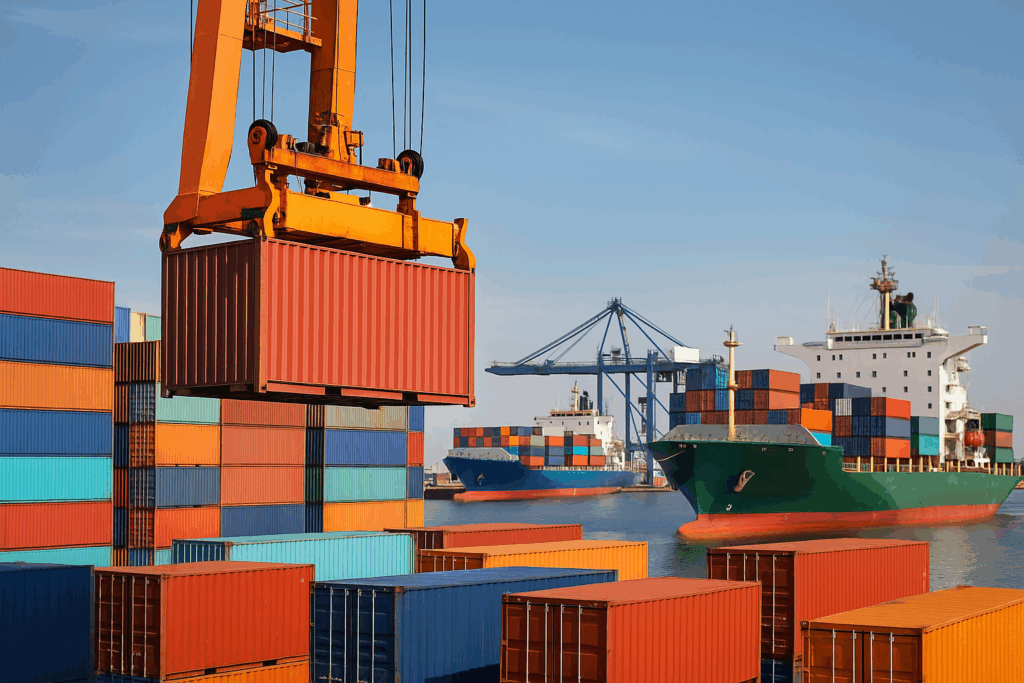
The days of relying 100% on Chinese manufacturing are fading. More brands are diversifying their production to other countries — a strategy called “China Plus One.”
Popular new sourcing hubs include:
- Vietnam: Especially strong in textiles, furniture, and electronics.
- India: A growing powerhouse for home goods, jewelry, and apparel.
- Mexico: Attractive for U.S. sellers due to faster shipping times and USMCA trade advantages.
By shifting even 10-30% of production outside China, sellers can soften the impact of tariffs and supply chain disruptions.
Caution: Transitioning to a new country isn’t as simple as finding a new Alibaba supplier. Every market has different standards, communication styles, and infrastructure challenges. Sellers should expect a 6–12 month adjustment period when diversifying sourcing.
Trade Shows Are Back — and More Important Than Ever
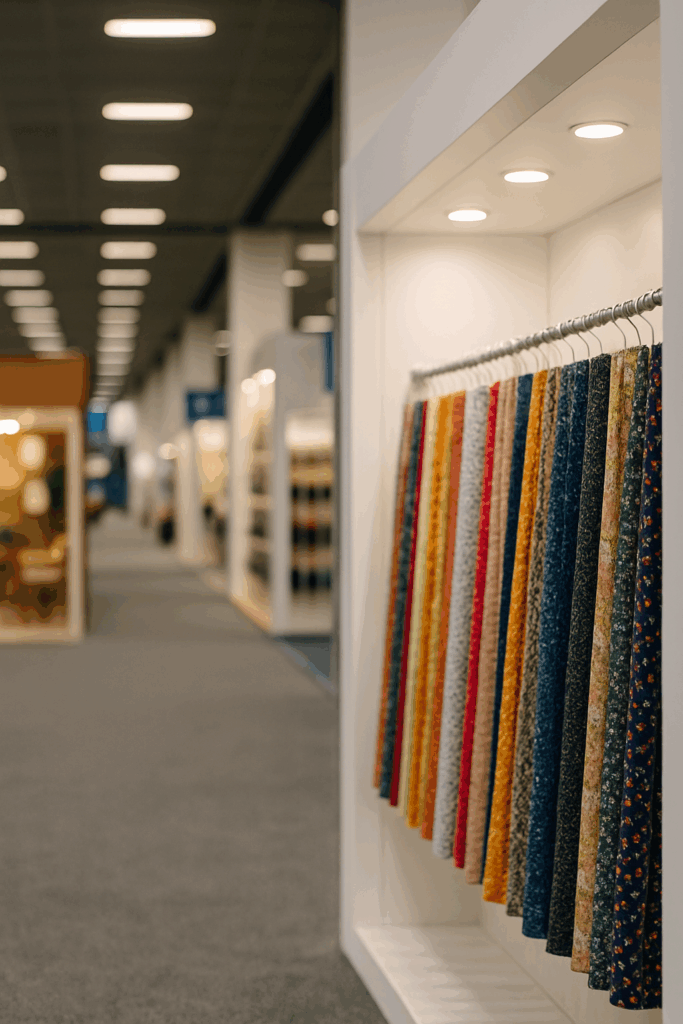
In-person sourcing events like the Canton Fair (held every spring and fall in Guangzhou) are back in full swing, and they offer Amazon sellers massive advantages:
- Negotiation leverage: Face-to-face meetings can lead to better pricing and faster sample turnarounds.
- Supplier variety: Sellers can easily compare dozens of factories offering the same product line.
- Early trend spotting: Trade shows reveal what’s coming next in categories before they flood Amazon.
Even if travel isn’t possible, many shows now offer virtual attendance options, which can still connect you directly with suppliers for sampling and quoting.
Technology Can Help — But It Won’t Replace Human Judgment
AI is changing sourcing, but it’s not a magic solution.
- AI tools like product research platforms (e.g., Helium 10, Jungle Scout) are incredibly useful for identifying high-demand, low-competition niches.
- AI translation tools (like DeepL or Google Translate) can help facilitate faster communication with overseas suppliers.
However, choosing the right supplier, negotiating fair terms, and evaluating quality control still requires human oversight. Trust, professionalism, and relationship-building are human skills that no app can replace.
Strategic Product Sourcing = Stronger Evergreen Brands
The brands winning on Amazon in 2025 are the ones who take control of their supply chain.
By building strong factory relationships, diversifying their sourcing regions, and using technology intelligently, sellers can protect their margins and create more resilient businesses.
At Ecomergize, we guide brands through every step of this process — from product development to factory negotiations to Amazon launch strategies. Whether you’re adjusting to tariffs or looking to future-proof your sourcing, our team is ready to help.
Want to energize your online brand? Get in touch with us!
Sources Referenced: