Amazon’s 2026 referral and Fulfillment by Amazon (FBA) fee updates are now official and set to take effect January 15, 2026 — and while the buzz from headlines might call them modest, the real implication for brand operators in the $500K–$20M range is deeper than $0.08 per unit. These changes, confirmed in Amazon’s seller announcements, adjust how fulfillment economics work across your catalog and demand a strategic response if you want to protect margin and compete effectively next year. [SOURCE: Amazon Seller Central]
In this post we’ll break down what’s changed, why it matters, and — most importantly — how operators should adjust pricing, inventory, and advertising strategy to ensure growth instead of erosion in 2026.
The Essentials of the 2026 Amazon Fee Update
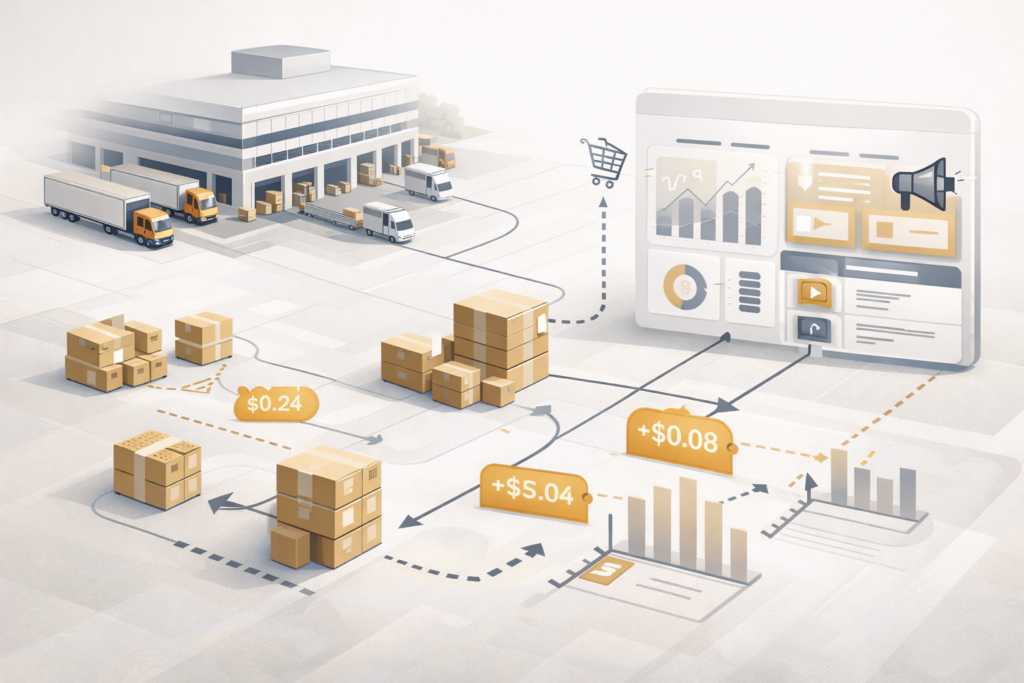
At face value, Amazon’s 2026 update increases FBA fees by an average of about $0.08 per unit sold, which Amazon describes as less than 0.5% of an average item’s selling price. [SOURCE: Amazon Seller Central]
That sounds small — but even modest increases can compound quickly across hundreds of SKUs, especially in competitive categories where margin flexibility is already slim. Add to that pressure from rising ad costs, supply chain friction, and consumer price sensitivity post‑Prime Big Deal Days and Q4, and you’re left with a reality most brands can’t afford to ignore.
Beyond the headline number, the update also signals a shift toward more granular fee structures — meaning Amazon’s pricing will align more closely with its internal cost of service. Lower fees may be offered where their delivery costs are lower, and higher fees where fulfillment service intensity is greater. [SOURCE: Amazon Seller Central]
Why These Fee Changes Matter for Brand Operators
1. Margins Get Squeezed Down Into the Midfield
For many brands running lean profit models, every additional cost layer matters — especially when selling at scale. A $0.08 per unit uptick can:
- Turn a barely‑profitable SKU into a loss‑leader
- Eat into funds available for advertising or promotions
- Put pressure on categories with heavy fulfillment cost weight
Brands can no longer assume margins will absorb these fees indefinitely; modeling profitability SKU by SKU must be a front‑and‑center exercise instead of a quarterly chore.
2. Pricing Discipline Becomes a Competitive Weapon
With Amazon moving toward finer fee segmentation, brands must:
- Revisit price architecture — don’t use blanket price increases across catalogs; adjust by SKU based on fee sensitivity and competitive pricing windows.
- Use dynamic pricing tools — adjust prices in real time to capture demand without over‑reliance on margin levers alone.
- Communicate value effectively — when prices change, ensure listings focus on value drivers like fast delivery, quality assurances, and differentiated positioning.
Without these practices baked into your pricing operations, you risk losing conversion share to competitors who manage nuanced pricing rigorously.
3. Inventory Strategy Is More Critical Than Ever
Fees don’t exist in a vacuum. They interact closely with how you stock and move inventory.
Consider:
- Carrying fewer SKUs with persistent losses — remove drain units and reinvest in high ROI lines.
- Optimizing replenishment cadence — too much stock in FBA can also create long‑term storage fees that outweigh short‑term conversion gains.
- Balancing FBA with FBM or hybrid fulfillment — for heavy, slow‑moving, or margin‑tight products, FBM may make more economic sense.
Successful brands treat FBA not as a default choice but as a calculated distribution channel within a balanced portfolio.
Operational Moves That Protect Margin in 2026
📌 Rethink SCM and Cost Inputs
Audit landed cost — including freight, duties, and inbound shrink — to ensure your base math reflects true unit economics before any Amazon fees. Proactively negotiating freight or exploring alternative entry points can offset fee pressure.
📌 Bake Fees Into Forecasts, Not Afterthoughts
Your planning cycle for 2026 needs fee‑aware forecasting. Don’t model revenue without reflecting the full fee structure and how it will influence competitive pricing down the line.
📌 Align Advertising With Fee Pressures
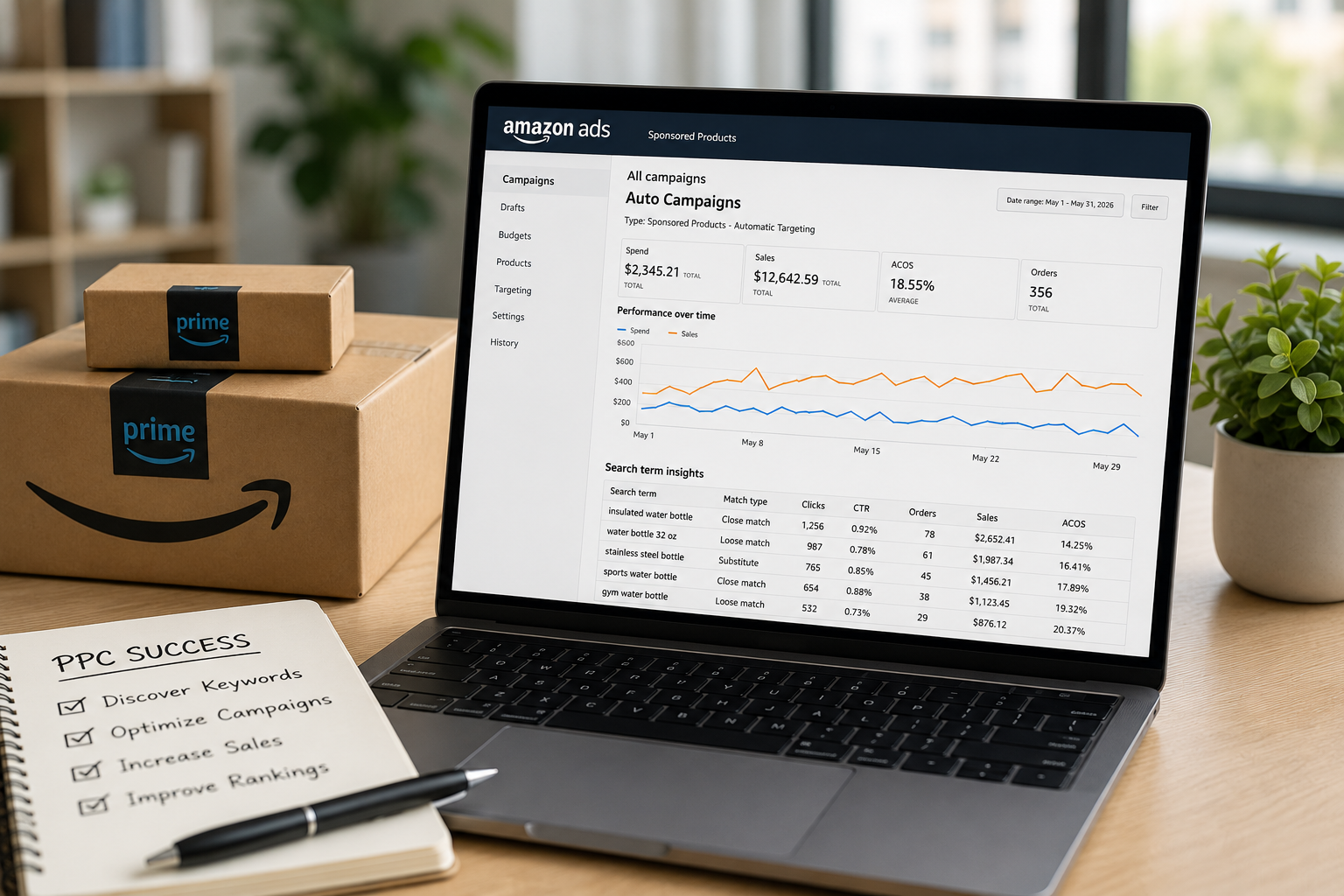
As fees increase, every dollar you spend on ads needs to pull usable margin. Shift budgets toward:
- High‑margin SKUs
- Campaigns with clear visibility into ROI testing
- Seasonal pushes that ring true with demand (e.g., post‑Prime Day promotions)
Treat advertising as a margin amplification tool rather than a blunt volume lever.
What Success Looks Like in 2026
The brands positioned to win in the coming year will be those that treat fee updates not as a cost burden but as a strategic inflection point. That means:
- Tighter SKU curation
- Precision margin modeling
- Price optimization engines rather than manual price changes
- Mixed fulfillment strategies that optimize cost and delivery quality
- Integrated ad and pricing dashboards for fast decision‑making
Those who delay strategic adjustments will find margins erode quietly until the next quarterly report — but those who act now can protect profitability and gain share as less prepared competitors lag.
Broader Marketplace Context
It’s also worth noting that Amazon isn’t alone in evolving commerce economics. Competitors are ramping up aggressively, and platforms like TikTok Shop are now seen as serious e‑commerce alternatives, especially for mobile‑first shoppers. [SOURCE: Business Insider]
At the same time, Amazon has made moves to cut seller fees in some European markets to fend off rivals like Shein and Temu — a reminder that fee strategy is regional and not one‑size‑fits‑all. [SOURCE: Reuters]
For brands with cross‑border aspirations, this means the 2026 landscape will be more varied than ever — higher fees here, discount opportunities there, and a global strategy that must reflect local economics.
Ecomergize’s Conclusion
Amazon’s 2026 fee changes are small on the surface and significant in impact. Brands that treat these adjustments as an operational planning pivot — rather than a cost annoyance — will be the ones that grow profitably next year. Tight pricing control, margin focus, and smarter fulfillment choices are no longer optional; they’re required.