Amazon Selling Has a New Score
Amazon doesn’t always announce its most meaningful changes loudly. Sometimes the biggest shifts come quietly — and only show up later in performance data.
That’s exactly what happened in late 2025, when Amazon changed how Brand Stores are evaluated, moving away from engagement-based signals (like dwell time) and toward sales-driven performance metrics.
For brands doing $500K–$20M annually, this is not a cosmetic update. It fundamentally changes how Brand Stores should be built, how advertising should be routed, and how success is measured.
What Changed: Engagement No Longer Drives Brand Store Quality
Historically, Amazon evaluated Brand Stores using a mix of:
- Time spent browsing
- Pages viewed
- Relative engagement compared to peer stores
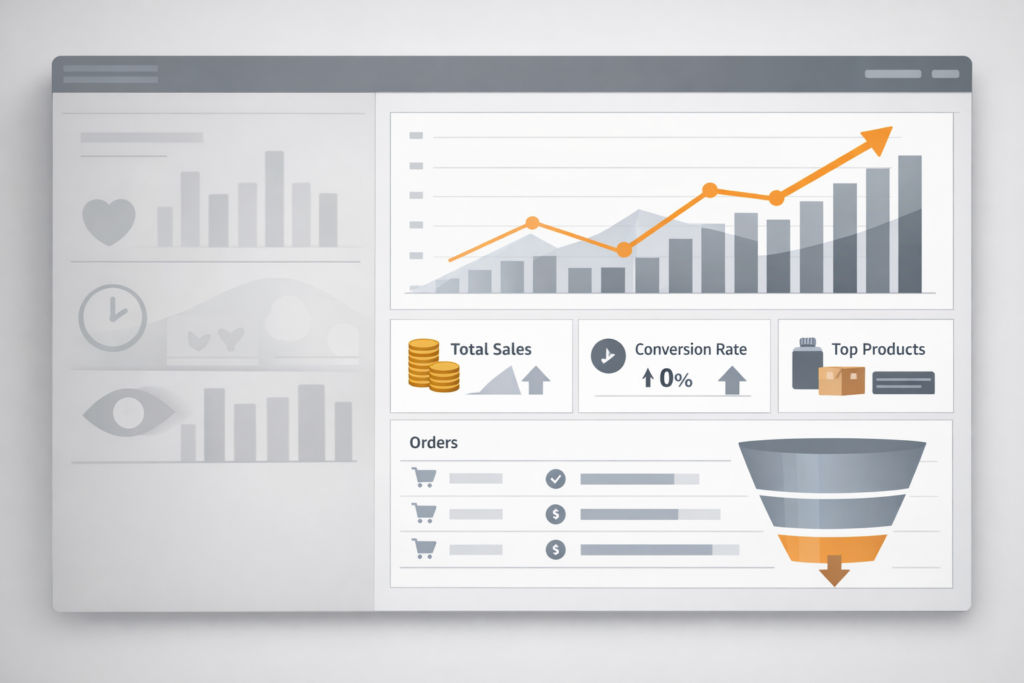
As of December 2025, Amazon retired engagement-weighted scoring and replaced it with a system that prioritizes actual sales attributed to the Brand Store.Time on site still exists as a diagnostic metric — but it no longer improves your store’s quality rating. Revenue does.
The message from Amazon is clear: If your store doesn’t convert, it doesn’t matter how long shoppers stay.
Why This Matters More Than Most Brands Realize
Brand Store quality influences more than just optics.
It impacts:
- Internal visibility in Amazon search and brand placements
- How Sponsored Brand traffic performs downstream
- How Amazon evaluates your brand’s ability to monetize traffic
Stores that convert efficiently are now favored. Stores that entertain without selling are not.
This is Amazon aligning Brand Stores with the same philosophy driving its ad platform: real economic outcomes over proxy signals.
The Strategic Mistake Many Brands Will Make
The most common mistake after this update is doubling down on “pretty” stores. Brands will:
- Add more lifestyle images
- Expand storytelling sections
- Increase navigation complexity
And then wonder why performance stagnates.
The new scoring model rewards:
- Clear product pathways
- Fast decision-making
- Direct routes to top-selling SKUs
Storytelling still matters — but only when it supports conversion.
How Brands Should Adjust Their Brand Stores Now
1. Audit Your Store Through a Sales Lens
Identify which pages actually drive purchases. Anything that absorbs attention without contributing to sales should be simplified or removed.
2. Design for Fewer Clicks, Not Longer Sessions
Every additional click is now a liability. High-performing Brand Stores guide shoppers from intent to purchase as efficiently as possible.
3. Align Sponsored Brand Ads to Conversion Paths
Sponsored Brands should point to store pages built to close, not generic brand overviews. Traffic quality matters more than volume.
4. Treat the Brand Store as Sales Infrastructure
Your Brand Store is no longer a branding asset alone — it’s a revenue surface that Amazon actively evaluates.
The Bigger Signal From Amazon
This change fits a broader pattern across Amazon in 2025:
- Advertising tools optimized around revenue, not impressions
- AI systems prioritizing predicted conversion
- Reduced tolerance for vanity metrics
Amazon is telling brands — explicitly — what it values.
Revenue clarity beats engagement ambiguity.
What This Means for 2026 Planning
If your Brand Store isn’t converting today:
- More traffic won’t fix it
- More creative won’t fix it
- More storytelling won’t fix it
Only tighter alignment between intent, structure, and purchase will.
Brands that adapt now will see compounding benefits. Brands that ignore this will quietly lose visibility without ever seeing a warning.